
Whoa! I was tinkering with a dozen browser wallets last month. Seriously, the space moves fast and security feels like chasing a mirage sometimes. Initially I thought all extensions were roughly the same, but then a small UX detail—network isolation—kept tripping me up in practice, and that changed how I prioritize wallets. My instinct said: guard the seed, avoid sloppy approvals, and don’t trust anything that auto-switches chains without asking.
Hmm… Most people only think about seed phrases and password vaults. But the real risks are more subtle—malicious dapps requesting broad permissions, clipboard hijacks, and chain-jumping prompts that trick users into signing dangerous transactions. On one hand, extensions give instant convenience; though actually, on the other hand, that same convenience multiplies attack surface if permissions and transaction previews are poor. I saw this firsthand when a friend nearly approved a contract that would have drained his ERC-20 tokens because the wallet hid method params.
Wow! Rabby caught my attention for that very reason. It separates tabs, isolates networks, and shows decoded call data clearly—things many wallets gloss over. Initially I thought the layout was just another UX choice, but then I watched a contract call get decoded in human-friendly terms and realized how much cognitive load that removes for regular users. I’m biased, but that clarity has saved me and folks I know from making costly mistakes.
Here’s the thing. Extension wallets need to be both approachable and surgical about permissions. A secure wallet minimizes blast radius: it asks for the least privilege, warns loudly about contract approvals, and makes revoking approvals easy without digging through obscure UI. On the other hand, elite users want raw control and multi-account management, which often complicates design—though actually, Rabby balances both worlds fairly well by letting advanced settings live behind deliberate taps while keeping defaults safe. I tested its multi-account flow across Mainnet, Arbitrum, and Optimism and the experience stayed consistent.
Seriously? Yes—it’s a subtle but real difference. The transaction preview shows exact token amounts, the spender address, and the function being called, which helps catch obfuscated approvals that other wallets present as ‘Allow’ with no context. Something felt off about many wallets’ warnings—they’re either too verbose or too cryptic—so effective UX design matters more than flashy themes. Oh, and by the way, Rabby also supports hardware wallets… which is a huge plus for higher-value accounts.
My instinct said ‘trust, but verify’. I connected a Ledger during a token swap and tracked the flow across the extension and the device display. The difference between a wallet that decodes calldata and one that doesn’t is like night and day when you have to decide quickly at 2 AM on a plane with spotty Wi‑Fi and a pressing ape floor drop—true story. I’m not 100% sure every user will need that level of detail, but the option should exist and be usable without deep technical knowledge. That kind of pragmatic flexibility is what turns a tool into something you actually rely on day-to-day.
Hmm… One practical snag: browser extensions can be compromised if your browser itself is hijacked or an attacker gains filesystem access. So you still need OS-level hygiene—updates, reputable extensions only, and thoughtful permission reviews. I’m biased toward using a dedicated browser profile for crypto; keeps cookies, extensions, and accidental wallet exposures isolated. This approach is low-effort and high-impact, and it saved me once when a malicious auto-fill tried to pair with the wrong account.
Whoa! Wallet ergonomics matter very very much. Small things like copy-to-clipboard warnings, a clear revoke flow, and sensible default timeouts for approvals reduce long-term risk because users are less likely to make rushed, dangerous choices. I keep saying this because it’s true: security that’s ugly or clunky will be bypassed by humans. If you want a daily driver for DeFi, pick tools that match your behavior.
Wow! Rabby isn’t perfect; it has trade-offs. For example, some power users might prefer deeper scriptability or plugin ecosystems that current extensions don’t support, and Rabby focuses on practical safety over speculative bells and whistles. On the other hand, teams shipping smart contracts benefit when users have clearer UI cues, because that reduces helpdesk tickets and public flamewars after a mis-signed transaction. I’m not 100% sure where every wallet should draw the line, but I appreciate when a tool errs toward safety without becoming obstinate.
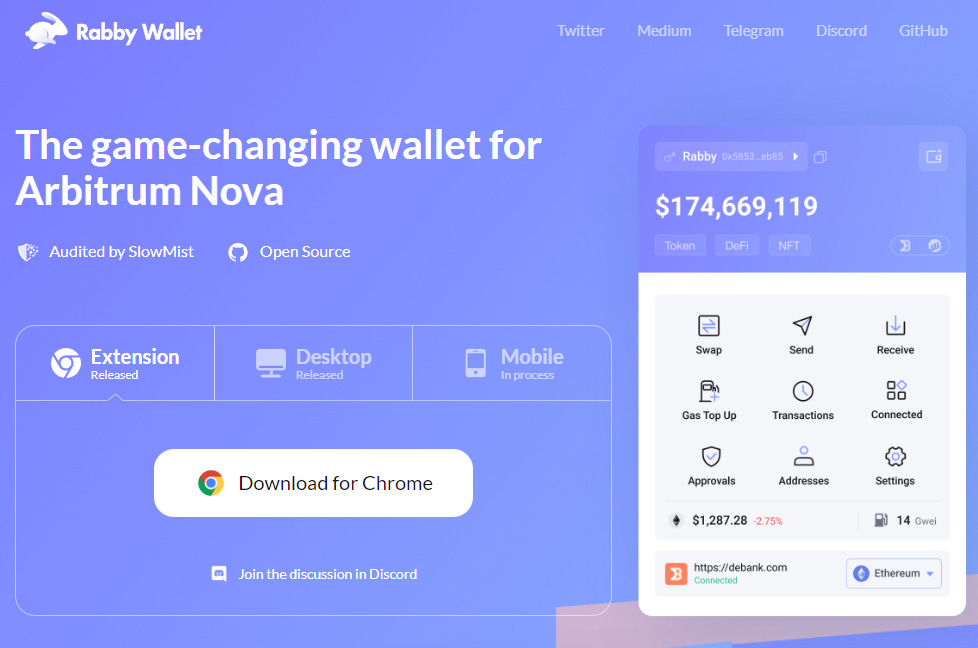
Why I recommend trying rabby
Really? If you want fewer surprises during DeFi ops, try rabby for a week and watch the differences stack up. It decodes calls, isolates network approvals, and integrates with hardware wallets, which means fewer emergency panic moments when gas prices spike or a token transfer looks funky. Initially I thought this kind of clarity was niche, but users from onboarding newbies to dev teams report fewer support incidents. Try it in a sandbox with small amounts first—your risk tolerance will tell you what to keep using.
Hmm… I’ll be honest: no wallet is a silver bullet, and even robust extensions can be undermined by social engineering or device compromise. On balance, though, tools that focus on clear affordances and human-readable data reduce those attack vectors in a practical way. I keep a hardware wallet for big positions and a trusted extension like Rabby for daily DeFi interactions—it’s a trade but it works for me. Somethin’ about that combination just clicks.
FAQ
Whoa! Is a browser extension wallet safe enough for DeFi?
No single answer fits all users, but extensions that prioritize permission granularity and transaction decoding are materially safer than ones that don’t. Use a hardware device for significant holdings, keep browser profiles separate, and audit extensions before installing. That combination reduces exposure without killing usability.
Seriously? How do I verify I’m downloading the official wallet?
Only download from official sources, check signatures if available, and verify the extension’s developer ID in the browser store. I’m not 100% sure about every mirror site, so stick to the project’s verified channels and double-check manifest details. When in doubt, ask in the community channels, but be wary of links—scammers love to impersonate help.