
Whoa! Tiny, thin, and pocket-ready — the idea of carrying cold storage in the shape of a card feels almost sci-fi. Seriously? Yep. For many folks who want a no-nonsense hardware wallet that behaves like a debit card, card wallets change the conversation. They blend convenience with real security, and for average users who aren’t down the rabbit hole of multisig setups, that’s a huge deal.
First, the baseline: card wallets are physical devices that store private keys offline, usually leveraging secure elements and NFC. Medium complexity sentences are useful here. They remove the need to memorize seeds or fuss with cables and dongles. Longer thought now—because tradeoffs matter: usability improves, but the security model shifts, and you need to understand what that shift actually entails before you commit funds.
Here’s the practical bit. Card wallets like Tangem use a secure element in a tamper-resistant chip. That means the private key can sign transactions on the card without ever leaving it. You tap your phone, the phone constructs a transaction, the card signs it, and you broadcast. Short sentence. It’s elegant. Medium sentence again because nuance matters. But there are implications: recovery, physical custody, and what happens if the card is lost or damaged are very very important to think through.
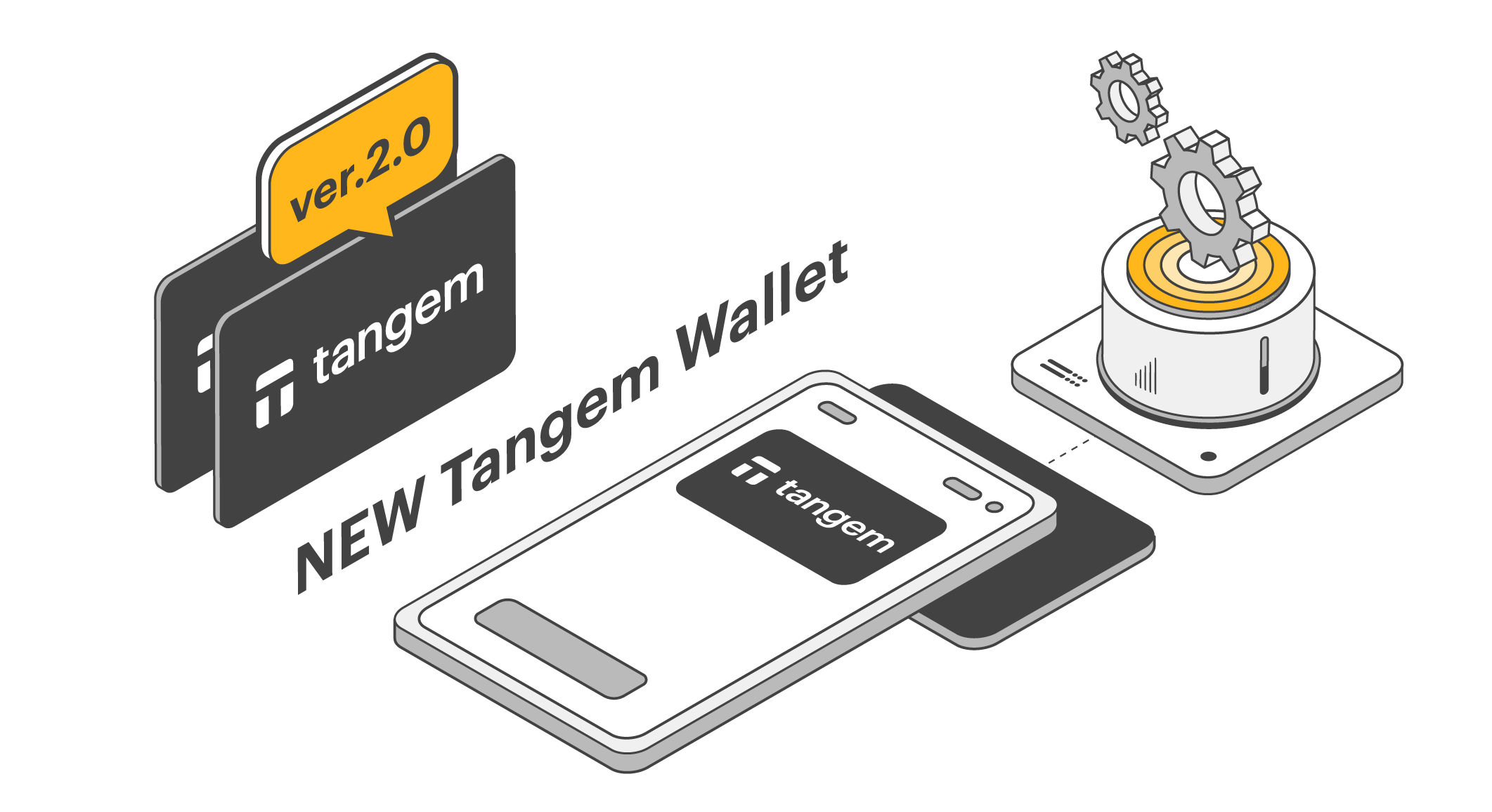
How Tangem-style cards handle cold storage—and what that really means
Okay, so check this out—Tangem-style cards operate as single-purpose hardware, and they often remove seeds from the equation. This sounds great at first glance, and for many people it is—no seed phrase to write down and hide. But that same design means the “backup” model is different: you buy multiple cards, or you use the vendor’s workflow to provision extra authentication cards when you set up your wallet.
For more hands-on details and vendor info, see this resource: https://sites.google.com/cryptowalletextensionus.com/tangem-wallet/
Short aside: my instinct says physical backups are underrated. Medium sentence. If you treat a card like cash—store it in a safe, split backups across locations, and consider an insured or bank-grade deposit box—you’re already ahead of most casual users. Longer thought: but remember that unlike mnemonic seeds, which can be reconstructed into a software wallet, a proprietary card model ties you to a hardware and vendor ecosystem, which is a dependency some people will want to avoid.
Security tradeoffs, plainly stated: traditional hardware wallets (with seeds) give you vendor-agnostic recovery; card wallets favor ease and non-custodial signing with fewer moving parts. On one hand, card wallets reduce human error in backing up long seeds. On the other hand, they require careful handling of the physical device and an understanding of how to provision additional cards or backups.
Tips for choosing and using a card wallet:
- Buy from reputable channels. Don’t get a cloned or unlabeled card from a random marketplace.
- Understand the backup model—does the system support multiple cards, and can you remove a lost card from the set?
- Use predictable, secure storage. A fireproof safe, split locations, or safe deposit boxes are still best practices.
- Keep firmware updated if and when the vendor releases secure updates—though many card designs avoid firmware changes to reduce attack surface.
Something that bugs me: marketing often frames “seedless” as universally better. That’s not accurate. Seedless systems reduce some types of risk but introduce others (vendor lock-in, provisioning complexity, or a higher need for physical redundancy). So read the fine print. Hmm… and don’t assume “no seed” means “no backups needed”—that would be a recipe for loss.
Real-world use cases where card wallets shine: travelers who want a durable, pocketable backup; users who want cold signing with minimal setup; people gifting crypto without handing over a mnemonic; and enterprises that want a simple, auditable signing token for low-value, frequent transactions. They’re less ideal for high-value custodians who require multisig across jurisdictional counterparties, but even there card wallets can be components in a larger setup.
On UX: tapping a card is faster than wiring a hardware wallet, and NFC is near-universal on modern phones. However, expect occasional friction—phone compatibility quirks, wallet app updates, or physical wear and tear. Also, card wallets usually demand you trust the initial provisioning process; if a card is compromised before you receive it, your security is already broken. So provenance matters—seriously.
Let’s talk attack vectors briefly. The smart element inside these cards is robust against direct extraction, but social engineering, supply chain tampering, and careless provisioning are real threats. Medium sentence: layer your defenses. Use passcodes when available; store cards separately; test recovery flows as soon as you set them up. Longer thought: running a routine—like periodically verifying backups and checking balances—catches many issues early, because problems that sit dormant tend to compound into irreversible losses.
Cost and accessibility: card wallets are often more affordable than some full-blown hardware wallets, and they don’t require cables or drivers. That lowers the barrier for mainstream adoption. But again—cheaper doesn’t mean better for every scenario. If you’re managing six-figure portfolios or running custody for others, you’ll likely want a different architecture.
FAQ
Are card wallets as secure as Ledger or Trezor?
Short answer: they’re secure in different ways. Card wallets use secure elements and offline signing, which is strong. Longer answer: Ledger/Trezor provide seed-based recovery and a vendor-agnostic path for restoring keys; card wallets often rely on hardware provisioning and backups across multiple cards. Choose based on your threat model and recovery preferences.
What happens if I lose my Tangem card?
It depends on your setup. If you provisioned multiple cards during setup, you can use a backup card. If not, and the card holds the only private key, funds could be unrecoverable. So—very important—follow the vendor’s instructions to create backups or duplicate cards at setup time.
Is NFC safe to use for signing transactions?
Yes, NFC itself is not the weak link. The card signs transactions internally; the phone only sends unsigned data. That said, a compromised phone or malicious app could attempt to trick you into signing bad transactions—so verify transaction details on-screen, and prefer wallet apps with clear UX for transaction review.